mantenimiento colector de polvo, mantenimiento colectores, colectores industriales, polvos combustibles, colectores industriales, colectores para industrias, filtrado de neblinas, filtrado de humos, neblinas, niebla, empresas de ventilación industrial
Workstations and the right collector
Industries dedicated to manufacturing or assembly, in their distribution within the plant, implement small, compact and versatile areas, called work stations. These are regularly placed in series, since this makes the production lines more efficient.
The distribution or location of these depends to a large extent on the type of activity to be carried out, materials with which they are going to work, chemical products to be used, etc; that is why a work station must be versatile and provide safety to workers.
An ergonomic work station can increase productivity, improve safety, guarantee the quality of work and contribute to the health care of the worker. The worker's activities will determine the space, equipment, etc.; Since this largely depends on its integrity, it is very important to take into account whether the employee will be in direct or indirect contact with toxic materials, such as dust, gases, acids, solvents, to name a few.
1. Analyze how many workstations you require.
Carrying out a prior analysis will allow you to determine the average number of workstations that you require, this will help not to place stations that are not used and have a higher cost for the company.
Prepare a feasibility study focused on your production chain, rely on your engineering department.
2. Improve productivity
In your company there may be production processes, in which their specialization, precision and detail require to be automated.
You can make your workstations more productive by automating their process.
3. Technology and peripheral equipment
Workstations must be accompanied by technology that allows workers to carry out their activities more efficiently, in less time, however it is very important not to saturate the space, as this can be counterproductive.
In the case of automated stations, the software is essential for its operation, electricity, tools, etc.
4. Ventilation System
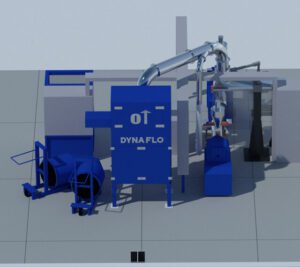
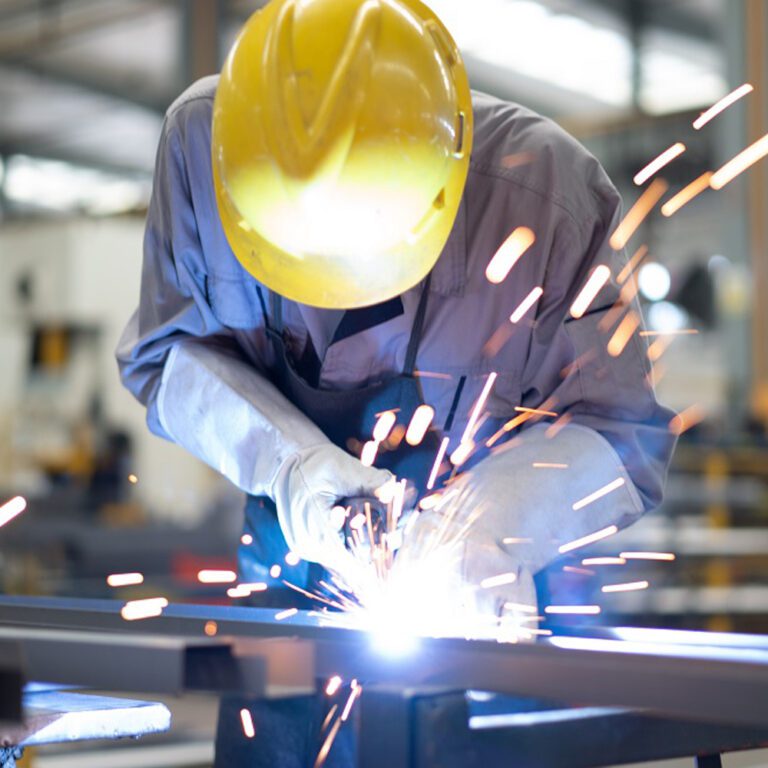
Ventilation in work stations where welding, detailing or polishing processes are carried out, to name a few, is important; have a team that helps control dust or fumes emanating from these processes.
An industrial collector with localized extraction is sometimes the best solution, but sometimes, depending on the size of the workstations, an environmental or general collector could be the solution.
DYNA FLO® Dust Collectors meet all the characteristics of flexibility and adaptability to solve problems with dust and fume control.
5. Includes storage and circulation areas
Contemplating storage spaces at key points will save time and reduce the periods of transfer of materials or supplies.
A waiting area would be ideal with optimal visibility in case the workstations are not automated, so workers can see if they have materials available or request more in advance.
In short, make sure that your workstation has the necessary elements that provide flexibility and ergonomics, but without it being saturated with unnecessary things, employee safety must be a priority, ventilation plays a very important role. important.
DYNA FLO® Tips:
- Hire an expert to identify potential risks in your company.
- A DYNA FLO dust collector is always a good option to help control and reduce dust risks.
- If you require a reliable analysis to implement the best solution for dust control, contact us, we are ready to help you.
Collector Types
dust collector maintenance, collector maintenance, collectors
polvos combustibles, colectores industriales, colectores para industrias, filtrado de neblinas, filtrado de humos, neblinas, niebla, empresas de ventilación industrial
Other articles of interest

How to improve the air flow of your Centrifugal Fan?
Los diversos procesos de producción industrial y los Sistemas de Ventilación en las Plantas, en algunas ocasiones requieren incrementar el flujo de aire para el que originalmente fueron calculados los equipos, por ejemplo…

Types of Industrial Collectors
Industrial collector systems have their beginnings around 1886, their inventor was the engineer Wilhelm Friedrich Ludwig Beth, who was a mill builder like his father, Wilhelm Ludwig...

¿Tiempo de Vida de los Filtros de un Colector de Polvos?
La vida útil de los filtros en los colectores de polvo, ya sean de bolsas o cartuchos, puede variar considerablemente y se define desde los primeros días de operación del sistema. Un ajuste preciso y correcto es clave para maximizar su desempeño y prolongar su duración. Los sistemas modernos de colección de polvos incorporan tecnología avanzada que no solo garantiza una mejor calidad del aire, sino que también optimiza el consumo energético y reduce de forma significativa los costos de operación y reemplazo de filtros, generando un mayor retorno de inversión